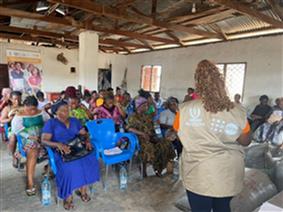
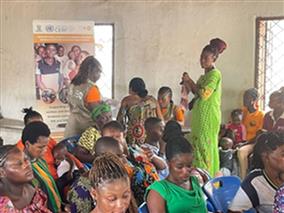
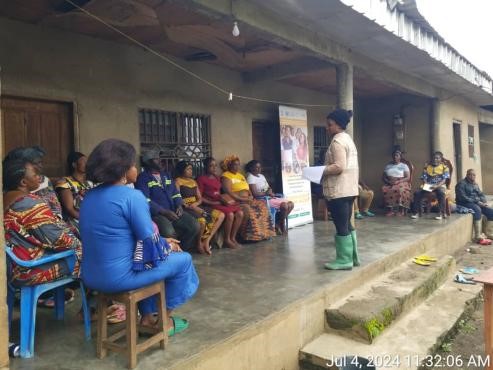
Ensuring GBV Response, Prevention and Risk Mitigation for Crisis-Affected Populations in the North West and South West Regions of Cameroon

Ensuring GBV Response, Prevention and Risk Mitigation for Crisis-Affected Populations in the North West and South West Regions of Cameroon

WHY THE PROJECT?

The North West and South West (NWSW) Regions of Cameroon have been trapped in a protracted armed conflict since 2016, marked by violence between government forces and non-state armed groups. What began as socio-political grievances quickly escalated into a full-blown humanitarian crisis, forcing thousands of civilians—especially women and girls—into unimaginable hardship. Entire communities have been displaced, livelihoods destroyed, and basic social services disrupted. Insecurity, destruction of infrastructure, and restricted mobility have made access to health, protection, and psychosocial services nearly impossible for many.

Within this volatile context, women and girls have borne the heaviest burden. Gender-Based Violence (GBV) — including rape, physical assault, sexual exploitation, forced marriage, and denial of resources — has become alarmingly prevalent. Many survivors suffer in silence due to fear of stigma, retaliation, and a lack of confidential and survivor-centered support systems. The erosion of traditional protection structures and the breakdown of law enforcement mechanisms have created an environment where violations occur with impunity.

Internally Displaced Persons (IDPs), returnees, and host communities alike continue to grapple with poverty, trauma, and loss of dignity. Limited access to healthcare, safe shelter, and livelihood opportunities has further exacerbated women’s vulnerability to exploitation and abuse. For young girls, the crisis has disrupted education, exposing them to early marriage, child labor, and sexual violence. The absence of psychosocial support and reproductive health services has deepened the trauma faced by survivors and increased the risk of long-term psychological and physical consequences.

Persons with Disabilities (PWDs) and their caretakers are among the most marginalized, often unable to access essential services due to mobility challenges, social exclusion, and inadequate inclusive programming. In many communities, the lack of proper lighting, safe water points, and functional latrines exposes women and girls to additional risks of assault and harassment, particularly at night. The combination of insecurity and economic deprivation has forced many to engage in high-risk survival strategies, including transactional sex, further endangering their well-being.

It was against this backdrop that the LUKMEF–UNFPA CERF Project: “Ensuring GBV Response, Prevention, and Risk Mitigation for Crisis-Affected Populations in the NWSW Regions of Cameroon” was conceived. The project sought to provide a holistic, survivor-centered response to GBV while strengthening community resilience, awareness, and prevention mechanisms. By combining dignity kits distribution, cash voucher assistance, psychosocial support, and community engagement, the project aimed to restore dignity, promote safety, and rebuild hope among the most affected women and girls.

The results of the project—over 4,600 people sensitized, 200 GBV survivors and vulnerable women and girls supported directly, and 50,000 reached indirectly through awareness—demonstrate that even within a challenging humanitarian landscape, meaningful change is possible when the right resources meet strong community will. These achievements stand as a testament to the effectiveness of coordinated, inclusive, and localized humanitarian action.

However, the needs remain vast. Many communities continue to lack access to lifesaving GBV and reproductive health services. The demand for livelihood support, dignity kits, and psychosocial assistance far exceeds the available resources.

The success of this project simply demonstrates how much impact can be achieved when resources meet the will. To extend this impact, LUKMEF-Cameroon calls upon development partners, donors, and humanitarian agencies to join hands in scaling up and replicating this initiative across more communities in crisis.

📩 Contact: partnerships@lukmefcameroon.org
📞 Tel/WhatsApp: +237 677 947 449
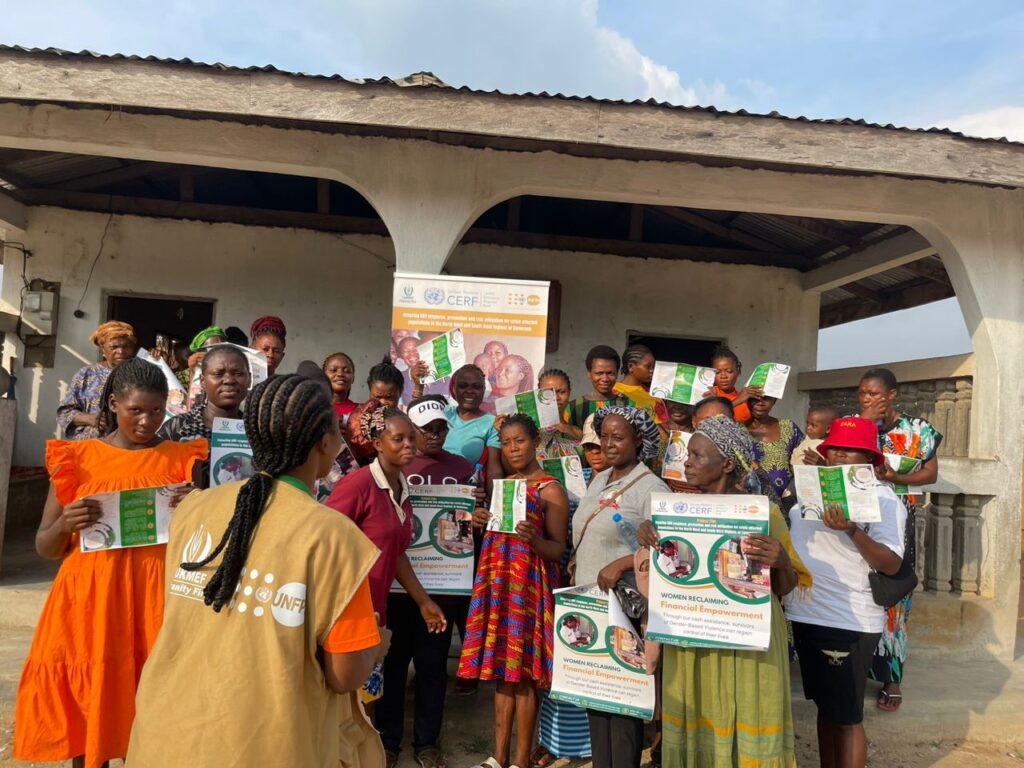
Ensuring GBV Response, Prevention and Risk Mitigation for Crisis-Affected Populations in the North West and South West Regions of Cameroon

Start Date

20240401

End Date

20241231

Budget

16.000

Donor

UNFPA & CERF

Coordinator

MR NFOR

Sector

GBV, GENDER EQUALITY

Related Pillars

Related SDGs

Region

  • South West
  • North West

Localities

The project was carried out in the divisions of Kupé-Manenguba, Manyu, Menchum, Boyo, Ngoketunjia, and Bui, targeting the communities of Ekenge, Mboka, Nguti Town, Eyumojock, Ayukaba, Bakwelle, Wum, Befang, Aghem, Abuh, Ngwah, Bamali, Bamunka, Jakiri, and Mantum.

Beneficiaries

  • 200 GBV survivors and vulnerable women/girls received holistic support (CVA + dignity kits).
  • 4,677 persons engaged in GBV awareness and prevention campaigns.
  • 474 people sensitized during the “16 Days of Activism.”
  • 100 women/girls received cash transfers; 100 others received dignity kits.
  • 76 women/girls trained on business and cash management.
  • Over 50,000 indirect beneficiaries sensitized on GBV and SRHR issues, including 300 persons with disabilities and 700 caretakers.

The project “Ensuring GBV Response, Prevention, and Risk Mitigation for Crisis-Affected Populations in the North West and South West Regions of Cameroon” was designed with the following key objectives:

1.     Improve Access to GBV Response Services:

o   Provide timely, survivor-centered, and multi-sectoral support to Gender-Based Violence (GBV) survivors.

o   Strengthen case management, referrals, and the provision of mental health and psychosocial support (MHPSS).

o   Enhance access to Clinical Management of Rape (CMR) and Intimate Partner Violence (IPV) health response services through Women and Girls Safe Spaces (WGSS) and supported health facilities.

2.     Increase GBV Prevention and Risk Mitigation:

o   Conduct risk analysis, awareness-raising, and community sensitization campaigns to reduce GBV incidents.

o   Promote positive social norms through engagement of men, boys, community leaders, and women-led groups.

o   Distribute dignity kits to vulnerable women and girls, including GBV survivors, to restore dignity and reduce exposure to further risks.

3.     Strengthen Coordination and Local Capacity:

o   Build the capacity of community focal points, women-led organizations, and frontline service providers on GBV response and prevention.

o   Foster collaboration with local institutions, ministries (MINPROFF, MINAS), and humanitarian partners for integrated service delivery and referral mechanisms.

4.     Empower Women and Girls Economically and Socially:

o   Provide Cash Voucher Assistance (CVA) and training in financial literacy, business, and livelihood management to vulnerable women and girls.

o   Support survivors and at-risk groups in rebuilding their lives and achieving self-reliance.

Overall Goal: To strengthen mechanisms and capacities of actors and institutions to address discriminatory gender and social norms, advancing gender equality and women’s decision-making in the crisis-affected North West and South West regions of Cameroon.
The LUKMEF–UNFPA CERF Project achieved significant results in addressing Gender-Based Violence (GBV) and empowering affected populations in Cameroon’s North West and South West regions. A total of 200 women and girls received direct GBV support through cash voucher assistance (CVA) and dignity kits distribution, improving their safety, dignity, and resilience. 4,677 community members (2,032 females and 2,645 males) were engaged in awareness and prevention activities, while 474 individuals were sensitized during the 16 Days of Activism campaign. Additionally, 76 women and girls were trained on financial literacy and cash management, enhancing their economic independence. The project also reached over 50,000 people indirectly, including 300 persons with disabilities and 700 caregivers, through community sensitization. These results demonstrate the project’s success in fostering survivor-centered support, promoting behavioral change, and reinforcing community-based protection systems, even amid insecurity and displacement in conflict-affected areas.
The project encountered multiple challenges linked to the volatile context of the North West and South West regions. Security threats posed the greatest constraint, limiting movement and access to remote communities. Poor road infrastructure, especially in Befang and Aghem (Wum Central), made transportation of dignity kits extremely difficult and costly. Additionally, short beneficiary identification timelines led to documentation errors, delaying cash transfers. Many beneficiaries lacked official identification documents, complicating verification and payment processes. The high demand for dignity kits also exceeded available supply, leaving many unregistered women and girls disappointed. Logistical barriers, coupled with fluctuating network connectivity, hindered effective coordination and timely data submission from field teams. Despite these difficulties, LUKMEF mitigated challenges through active coordination with local stakeholders, hiring motorbikes for last-mile delivery, conducting alternative beneficiary verification, and engaging community leaders for improved crowd management and communication.
The project offered valuable insights for future GBV interventions in crisis settings. Firstly, dignity kit distribution proved highly effective as an entry activity, fostering community trust and acceptance. Secondly, active community participation—allowing beneficiaries to express their experiences during awareness sessions—enhanced understanding of local GBV dynamics and improved response strategies. Thirdly, collaboration with local leaders and ministries strengthened coordination, legitimacy, and sustainability of interventions. The project also demonstrated the power of empowering women through cash support and skills training, which not only improved livelihoods but also reduced exposure to exploitation. Furthermore, adopting a survivor-centered and inclusive approach ensured equitable access to services for persons with disabilities and marginalized groups. Lastly, the experience emphasized the need for consistent monitoring, flexibility, and adaptive planning in volatile security contexts to ensure continued service delivery despite logistical and access challenges.
For greater impact and sustainability, future GBV interventions in the NWSW regions should prioritize early and sufficient resource allocation for dignity kits to meet high community demand. Longer identification and verification periods should be introduced to ensure accuracy in beneficiary selection and reduce transfer delays. Strengthening local partnerships with women-led organizations, traditional leaders, and government agencies like MINPROFF and MINAS will enhance community trust and sustainability. Continued capacity-building of community focal points on GBV case management, monitoring, and data reporting is vital. Expanding livelihood support programs can further reduce women’s vulnerability and dependence on risky coping mechanisms. Insecurity-related constraints should be mitigated by maintaining flexible programming, enhancing remote coordination, and supporting staff safety. Finally, scaling up this successful model to other conflict-affected areas will ensure more survivors gain access to holistic, survivor-centered GBV prevention and response services.

Success Stories

Julie’s Journey of Courage-From Trauma to Triumph
At just 12 years old, Julie (not her real name) endured unimaginable trauma. Living with her mother in Yaoundé, she was raped—a crime that left her pregnant and emotionally shattered. Fleeing threats from the perpetrator, her mother relocated them to Eyumojock, a small community in the South West Region. With no source of income and mounting medical bills, their lives spiraled into despair. Through LUKMEF’s Cash Voucher Assistance (CVA) initiative under the UNFPA CERF project, Julie and her mother received crucial financial and psychosocial support. The assistance allowed them to pay off debts, afford basic needs, and start a small business processing palm kernel into palm oil. For the first time since the assault, they felt empowered and secure. Julie’s mother now proudly provides for her family, while Julie continues to heal and attend counseling sessions through LUKMEF’s referral network. Their story stands as a powerful reminder that, with compassion and timely support, even the deepest wounds can heal. Julie now smiles more often — a symbol of hope and resilience for other young survivors in her community.

Jane’s Rebirth — A Mother’s Hope Restored

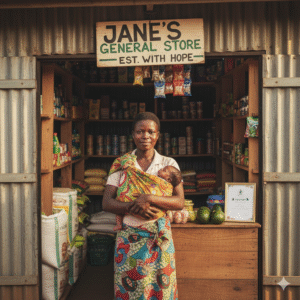
Jane (pseudo name), a 27-year-old single mother, faced the harsh realities of pregnancy amid conflict in Nguti Subdivision. With little to no income, she feared giving birth without medical care or support. Her life changed when she became one of the 100 beneficiaries of the CVA program implemented by LUKMEF Cameroon. The financial assistance covered her prenatal care, delivery expenses, and baby essentials, giving her the dignity of a safe birth. Beyond that, Jane participated in a financial literacy and business training, which equipped her with the skills to manage resources and start a small trading business. Today, Jane runs a modest but thriving retail shop. Her income sustains her baby’s health and education, freeing her from dependency. She proudly states, “The support I received gave me more than money—it gave me confidence and hope to dream again.” Jane’s journey embodies the project’s vision of empowering women to rise above crisis and rebuild their futures.

Martha’s Strength-Reclaiming Dignity Through Support
In Befang, Wum Central, Martha, a 35-year-old internally displaced woman, had lost everything — her home, husband, and sense of self-worth. As a mother of four, survival was her only focus. When LUKMEF distributed dignity kits in her community, Martha was among the 100 women and girls identified as vulnerable. Receiving the kit—containing hygiene items, sanitary products, and safety messages—was more than just material help; it was a sign that she mattered. During the distribution, Martha and other women were educated on menstrual hygiene and self-care, restoring a sense of dignity many had lost due to displacement. She recalls, “I used to feel ashamed because I couldn’t afford basic hygiene needs. Today, I feel clean, confident, and respected again.” Martha later joined a community self-help group, where she now advocates for other displaced women. Her transformation shows how small acts of compassion can restore confidence and community resilience in the most broken places.

 Simon’s Awakening- A Man’s Role in Ending GBV

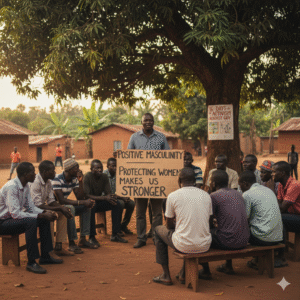
Simon, a 42-year-old community leader from Fundong in Boyo Division, once viewed gender issues as “women’s talk.” However, his perspective shifted after attending one of LUKMEF’s GBV awareness sessions during the 16 Days of Activism campaign. Through discussions and real testimonies, he learned how deeply GBV affected his community — including the men and boys he led. Moved by what he heard, Simon became an outspoken advocate for positive masculinity and GBV prevention. He now organizes small dialogue circles for men in his village, challenging harmful norms and encouraging fathers to educate their sons about respect and equality. He proudly says, “Before, I thought helping women made me weak. Now, I see that protecting them makes us all stronger.” Simon’s transformation underscores the project’s impact beyond direct beneficiaries — inspiring men to become allies in the fight against GBV, creating safer and more equitable communities.

Amina’s Light — From Exclusion to Empowerment

Amina, a 40-year-old woman with a physical disability from Nguti, lived most of her life on the margins of her community. The crisis worsened her isolation, leaving her unable to access food or hygiene products. When LUKMEF, through UNFPA’s support, extended GBV services and CVA to Persons with Disabilities (PWDs), Amina’s life began to change. She received both a cash transfer and a dignity kit, along with counseling on self-worth and inclusion. The funds allowed her to start a small tailoring business from her home, while community awareness sessions helped shift local perceptions about disability. Amina now employs another displaced woman and actively participates in community meetings. She shared tearfully, “For the first time, I feel seen, capable, and free.” Her journey illustrates the power of inclusion — proving that when given equal opportunity, every person can contribute meaningfully to rebuilding their community.