


Problem Analysis
The ongoing socio-political crisis in Cameroon’s North-West and South-West (NWSW) Regions has resulted in one of the most devastating humanitarian situations in the country’s history. What began as peaceful protests rapidly escalated into protracted armed conflict, leading to widespread insecurity, displacement, and the breakdown of social cohesion. Over 700,000 people were internally displaced, with many fleeing to urban centers like Douala in the Littoral Region in search of safety and livelihood opportunities. Among these displaced populations, women and girls bore the brunt of the conflict’s consequences, facing heightened risks of sexual and gender-based violence (SGBV), economic exploitation, and social exclusion.
The displacement fractured families and eroded traditional protection structures that once safeguarded women and children. With limited access to justice and formal support services, survivors of violence were left to navigate trauma, stigma, and poverty on their own. Host communities—already struggling with limited resources—became overwhelmed by the sudden influx of internally displaced persons (IDPs), increasing tension and competition for basic services such as housing, healthcare, and employment. Within this context, gender inequality and weak community protection mechanisms further deepened the vulnerability of women, girls, and persons with disabilities.
The crisis also disrupted the presence and functionality of community-based peace and protection mechanisms. Women human rights defenders, who had long played essential roles in community mediation and advocacy, found themselves silenced or endangered. The absence of structured psychosocial and legal support left victims of violence with minimal recourse to justice. Fear of stigma and reprisal prevented many survivors from reporting abuse or seeking help. Simultaneously, men and boys—often viewed only as perpetrators—were largely excluded from awareness and prevention efforts, perpetuating harmful social norms and gender stereotypes.
Amid these challenges, LUKMEF-Cameroon, with support from the United Nations Peacebuilding Fund (PBF), launched the project “Strengthening the participation of community mechanisms and the role of women human rights defenders in the peace consolidation process in the North-West and South-West Regions of Cameroon.” The project sought to rebuild community trust, enhance local protection networks, and restore the dignity and agency of survivors of gender-based violence.
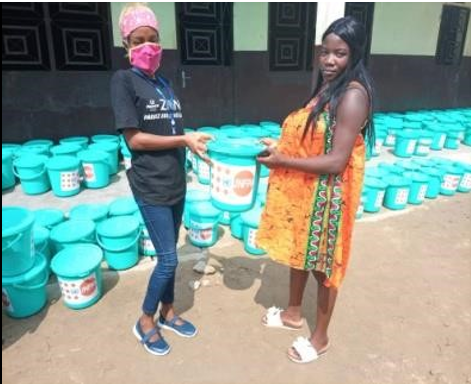
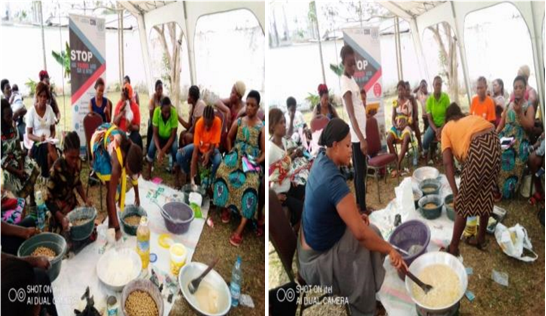
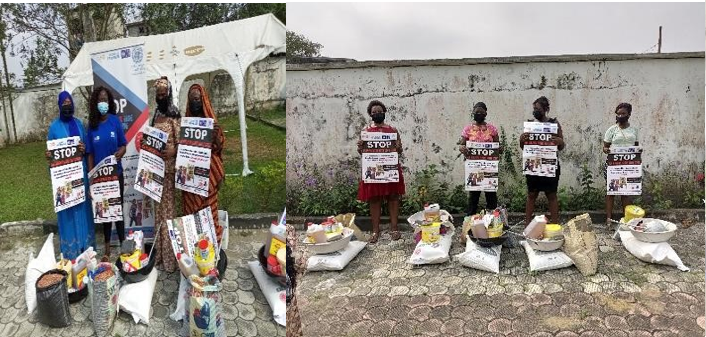
Through a combination of awareness raising, capacity building, service provision, and economic empowerment, the project addressed the multi-layered vulnerabilities of IDPs and host communities. Over 8,000 people—majority women and youth—were sensitized on GBV prevention and response; 291 survivors received case management and psychosocial support; 395 women and girls benefited from dignity kits, while many others received livelihood and reintegration support. These interventions not only alleviated immediate suffering but also strengthened local capacities for peace, protection, and resilience.
The project demonstrated that empowerment and healing are achievable even in contexts of protracted crisis when interventions are community-led, gender-responsive, and rights-based. By restoring dignity to survivors, amplifying the voices of women human rights defenders, and promoting dialogue among men, boys, and community leaders, LUKMEF-Cameroon contributed meaningfully to peacebuilding and social cohesion in crisis-affected communities.
The results of this project simply demonstrate how much impact can be achieved when resources meet the will. However, the scale of need remains immense. To consolidate and extend these gains, LUKMEF-Cameroon calls on development partners, donors, and stakeholders to scale up or replicate this initiative across other affected regions of Cameroon.
For partnership and collaboration:
📩 Email: partnerships@lukmefcameroon.org
📞 Tel/WhatsApp: +237 677 947 449

 Mary’s Journey from Rejection to Renewal
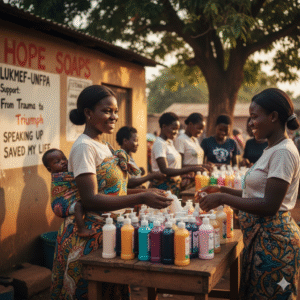 Lynn’s Triumph Over Trauma
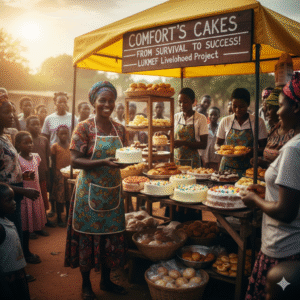 Comfort’s Economic Rebirth
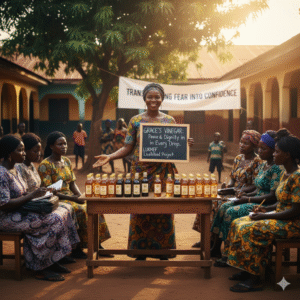 Grace’s Path to Peace and Dignity